Category: History

  • The licensing compensation fund: the money behind the AERC

    The licensing compensation fund: the money behind the AERC

    In short: the AERC’s money came from the licensing compensation scheme, which paid owners whose pub licences were not renewed out of a levy on the rest of the trade. When the scheme was wound up, it produced £3,118,599. Half of that endowed the Alcohol Education and Research Fund in 1981–82, and by 2011 the fund had grown to about £13.8 million.

    Most research funders are endowed by a donor, a government grant or a lottery. The Alcohol Education and Research Council was different. Its money came from a scheme first designed in the late nineteenth century to reduce the number of pubs, and paid for by the pubs themselves.

    Fewer licences, less drunkenness

    Victorian reformers believed that the density of licensed premises was linked to public drunkenness and disorder. Under the licensing compensation system, local licensing justices could decline to renew the licences of premises judged surplus to need, and owners who lost a licence were compensated. The compensation was paid from a levy on licensees who kept theirs, so the trade as a whole paid to reduce its own numbers.

    The Council’s final annual report describes the scheme as “a mechanism for reducing the number of pubs in the hope that this would reduce drunkenness and drunken offences.” Powerbase adds that it was meant to run for only a few years but lasted for decades, until the Erroll committee on liquor licensing recommended ending it in the 1970s.
    Wood-panelled magistrates' court set for a licensing session
    Licensing justices decided which pubs kept their licences. Illustration.

    How did the scheme work in practice?

    The mechanism had three moving parts, and it helps to see them together:

    1. Selection. Licensing justices reviewed the premises in their district and could refuse to renew licences they considered unnecessary.
    2. Compensation. The owner of a premises that lost its licence received a payment for the loss of value.
    3. Levy. The payments were funded by charges on the licences that were renewed, held by local compensation authorities.

    Over the twentieth century, as fewer licences were refused, the compensation authorities kept collecting and investing. By the time the government decided to close the scheme, there was a sizeable balance with no obvious owner. It had been raised from the licensed trade, for a public purpose, under statute.

    Winding up the licensing compensation scheme

    Deciding what to do with that money took years of negotiation between the Home Office and the brewers. When the Licensing (Alcohol Education and Research) Bill reached the Commons on 8 May 1981, Hansard records ministers describing assets of about £4.3 million and promising that the new council would have an independent chair, with no more than three or four members from the drinks industry.

    The figure that appears in the Council’s own accounts is smaller and precise. The liquidation of the licensing compensation funds produced £3,118,599, of which one half established the Alcohol Education and Research Fund. The Council’s reports disagree on when that liquidation finished. The 2010–11 report says it was “finally completed in 1982”, while the 2004–05 report says “finally completed in 1997”. Grants were being made from 1982, so the later date most likely refers to the last residual accounts; we have not found a document that settles it.
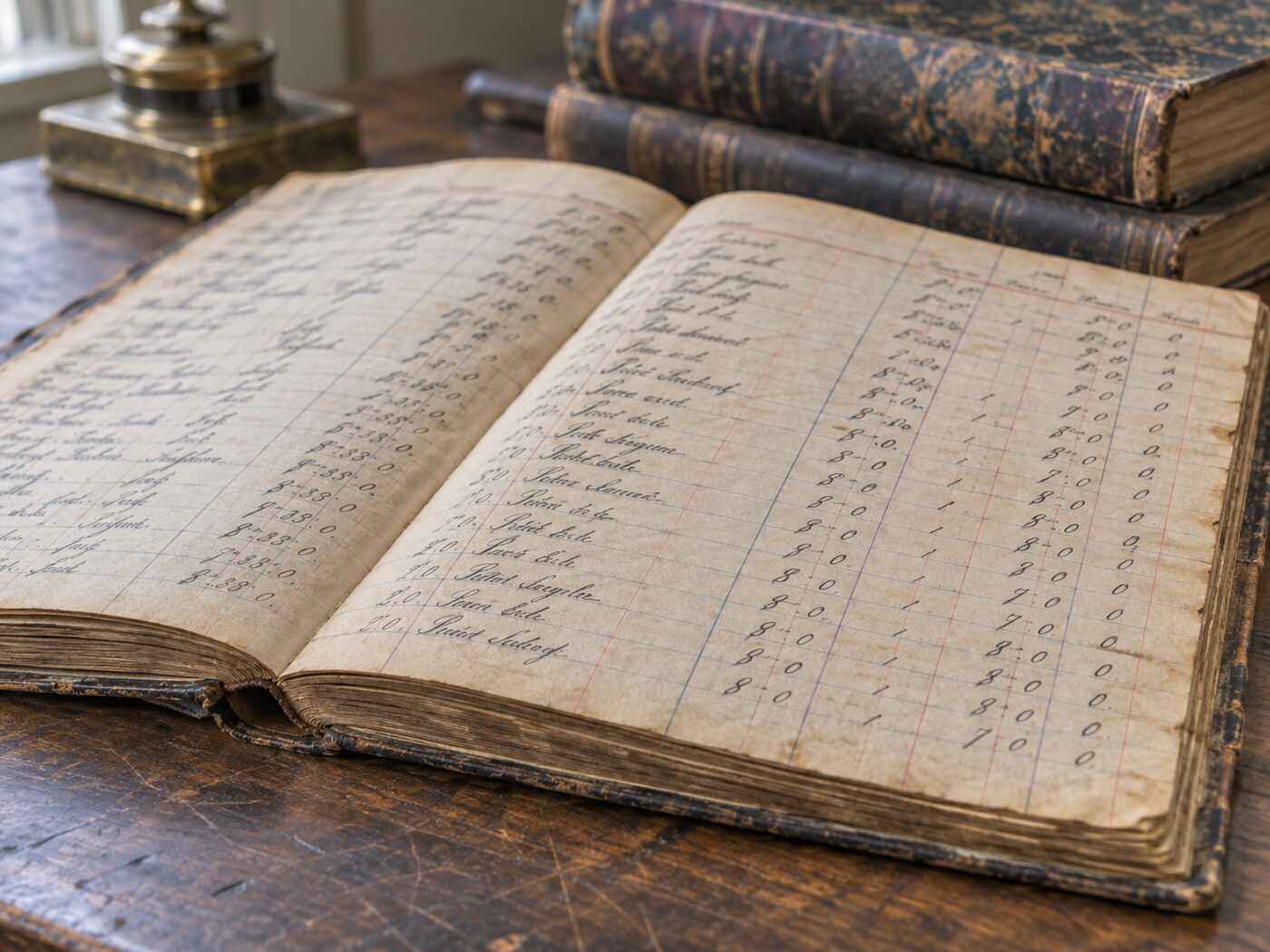
    An old ledger with columns of handwritten levy payments
    The trade paid a levy to compensate the licences it gave up. Illustration.

    Who got the rest?

    Powerbase records how the remainder was divided:

    ShareRecipient
    One halfThe Alcohol Education and Research Fund, administered by the new Council
    One quarterA trust for licensed trade charities
    One quarterThose with a stake in the properties that had paid into the original fund

    That split explains why industry representatives kept seats on the Council for its whole life. The trade had paid in, and it retained a voice in how its half was spent. Who sat on the Council, and the arguments that caused, is covered in What was the Alcohol Education and Research Council?
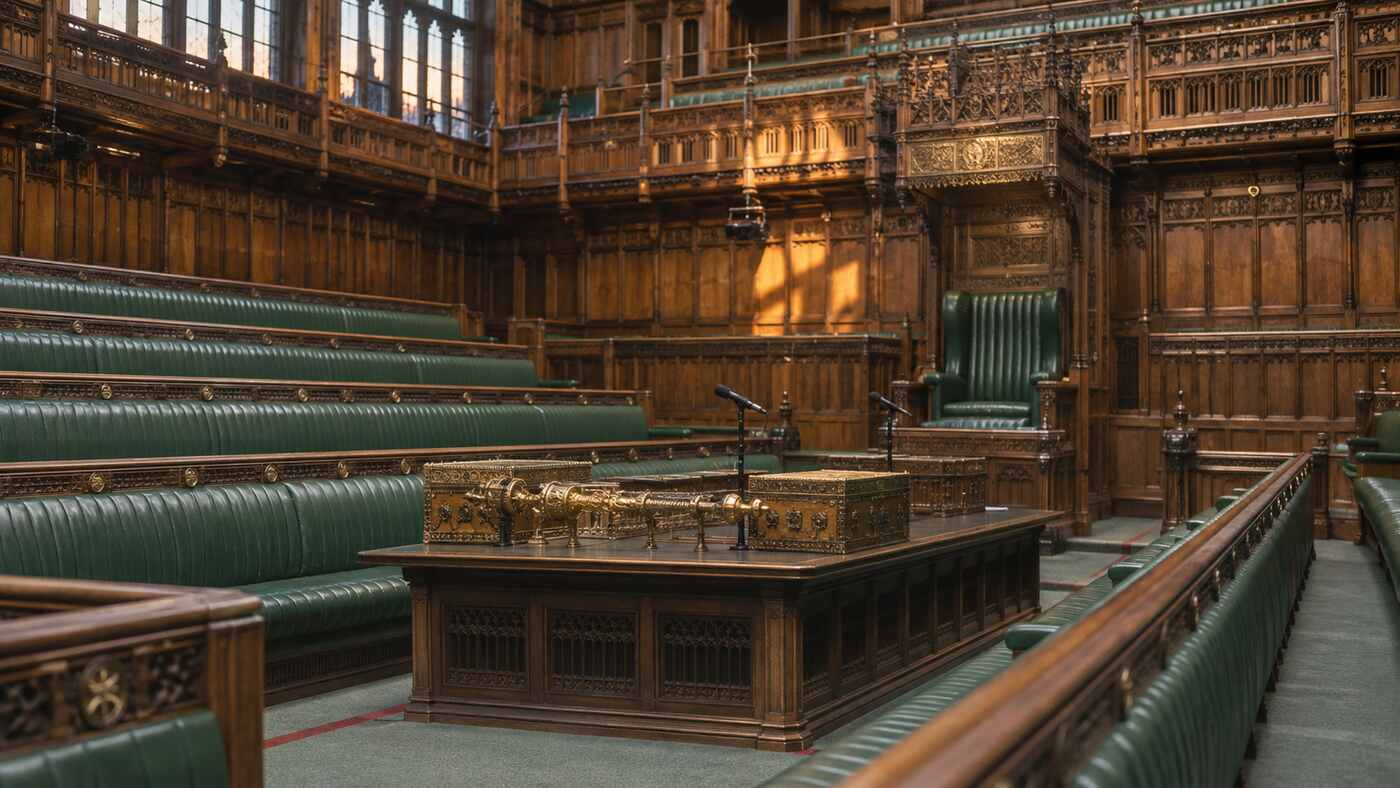
    Empty green benches of a parliamentary chamber in evening light
    Parliament debated how to divide the money in May 1981. Illustration.

    An endowment that grew

    The fund was invested and the Council spent only the income on grants, keeping the capital intact. Powerbase names Baillie Gifford of Edinburgh as the long-standing manager. The final annual report records the move to Rensburg Sheppard in January 2011 and gives the figures for the last year:

    • fund value on 28 March 2011: £13,825,307;
    • investment income for 2010–11: £467,389;
    • grants awarded in 2010–11: £462,790.

    Three years earlier the pattern was the same. The 2007–08 report shows £476,618 of new awards, including £301,327 for research and development projects chosen from 26 applications. In other words the Council spent close to its income each year, which is how a £1.6 million endowment in 1982 could still be funding work three decades later. At the handover, Civil Society reported that Alcohol Research UK started life with a £13 million endowment.

    Printed investment statements and a calculator on an office desk
    The fund was invested and its income paid for grants. Illustration.

    What could the money be spent on?

    Because the fund was created by statute, its uses were fixed by law rather than by the trustees’ preferences. The Council’s 2010–11 annual report lists four purposes: education about alcohol and the harm it causes, the care of people convicted of drunkenness offences, treatment for people with alcohol problems, and research into any of those. Novel schemes were to be given priority. That last instruction shaped the Council’s character. It could not compete with the Medical Research Council on large trials, so it backed first attempts: pilots, feasibility studies and training schemes that, if they worked, others would scale up. Its successor later explained the same logic: biomedical research and large trials need budgets beyond its capacity, so it specialised in social research, where modest grants could open up pioneering work. The results of that strategy are traced in What AERC research changed.

    Why the origin matters to readers

    Knowing where the money came from is useful when reading AERC-funded work. The Council made its own grant decisions through peer review, but it was created by statute, had industry-nominated members and spent money originally raised from licensees. Some observers questioned that structure. Others saw it as a stable, independent source of funding for practical research that might not otherwise have happened. Each report should be judged on its methods and evidence, as with any funded study. The reports guide is a good place to start reading them.
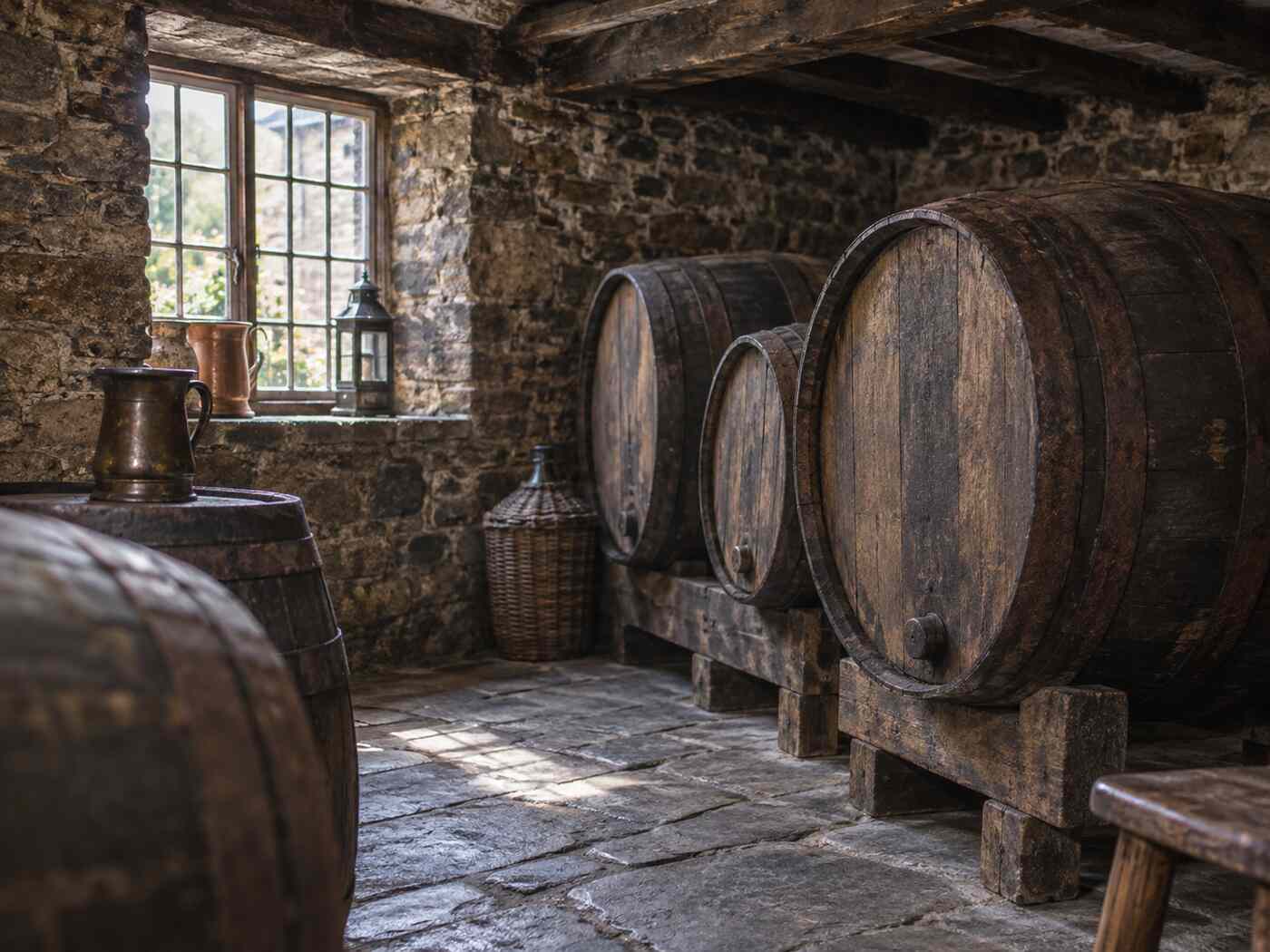
    An old pub cellar with wooden barrels and stone walls lit by a single window
    The compensation levy was paid by the licensed trade itself. Illustration.

    A short timeline

    • Late 1800s onward: licensing compensation is used to reduce surplus licensed premises.
    • 1970s: the Erroll committee recommends ending the scheme.
    • 8 May 1981: the Commons debates the Bill; assets of about £4.3 million are discussed.
    • 1981: the Licensing (Alcohol Education and Research) Act creates the fund and the Council.
    • 1982: grant-making begins; liquidation produces £3,118,599 in total, half for the fund.
    • January 2011: fund management moves from Baillie Gifford to Rensburg Sheppard.
    • 28 March 2011: the fund, valued at £13.8 million, passes to Alcohol Research UK.

    Key takeaways

    • The AERC’s money came from the licensing compensation scheme, which paid owners whose pub licences were not renewed out of a levy on the rest of the trade.
    • When the scheme was wound up it produced £3,118,599.
    • Half of that sum endowed the Alcohol Education and Research Fund in 1981–82.
    • The fund was invested and the Council spent the income; by 2011 it had grown to about £13.8 million.

    Common questions

    Was the AERC funded by taxpayers?

    No. Its endowment came from the wound-up licensing compensation funds, which had been raised by a levy on licensed premises. The Council spent the investment income from that endowment, not an annual government grant.

    How much money started the fund?

    Half of £3,118,599, so roughly £1.56 million. Hansard’s figure of about £4.3 million in 1981 referred to the assets under discussion before the final liquidation.

    Why did the drinks industry have seats on the Council?

    Because the trade had paid into the compensation scheme and kept a stake in how the money was used. Parliament limited industry members to three or four and required an independent chair.

    Does the fund still exist?

    The statutory fund ended with the Council. Its money passed to Alcohol Research UK in 2011, which merged with Alcohol Concern in 2017 to form Alcohol Change UK. See Where the AERC’s work lives now.

    How we put this together: the figures for the scheme and the fund come from the Council’s annual reports and accounts on GOV.UK and the Hansard record of the 1981 debate, not from secondary summaries. Every source is listed below.

    Sources

  • What was the Alcohol Education and Research Council (AERC)?

    What was the Alcohol Education and Research Council (AERC)?

    In short: the Alcohol Education and Research Council (AERC) was a small UK public body created by the Licensing (Alcohol Education and Research) Act 1981. It spent the income of a dedicated fund on alcohol education and research from 1982, handed everything to a new charity, Alcohol Research UK, on 28 March 2011, and was formally abolished on 1 July 2012.

    The Alcohol Education and Research Council had a single job: to spend the income of a dedicated fund on education and research about alcohol. It was never large. In its final year it had 2.2 full-time-equivalent staff and gave out less than half a million pounds. But over three decades it funded hundreds of studies, many of them early tests of ideas that later became routine in the NHS, schools and the licensed trade.

    Created by an Act of Parliament

    The Council was set up by section 6 of the Licensing (Alcohol Education and Research) Act 1981, and the same Act created the Alcohol Education and Research Fund in section 7. The explanatory notes to the Health and Social Care Act 2012 describe the arrangement plainly: the AERC administered the fund and used it “to finance projects within the United Kingdom for education and research on alcohol related issues.”

    When the Bill was debated in the Commons on 8 May 1981, Hansard records that the assets to be released were about £4.3 million, and that ministers gave assurances that the Council would have an independent chair and no more than three or four members drawn from the drinks industry. Grants could be made anywhere in the United Kingdom.

    The money came from an unusual place: an old scheme for compensating pub owners whose licences were not renewed. That story, and how the £3.1 million left in it was divided, is told in From pub licences to a research fund.

    Bound parliamentary papers and an open statute book on a library desk
    Statute books of the kind that record the 1981 Act. Illustration.

    What the law asked it to do

    The Council’s 2010–11 annual report sets out the statutory purposes. The fund could pay for:

    • education about alcohol and the harm it causes;
    • the care of people convicted of drunkenness offences;
    • treatment for people with alcohol problems;
    • research into any of these.

    Novel schemes were to receive priority. The Council did not fund biomedical research, which it regarded as the territory of larger medical funders, and it required every grant holder to produce a short plain-English summary called an “Alcohol Insight” so that findings reached practitioners as well as academics.

    Its vision, as printed in that last report, was “to reduce levels of alcohol-related harm by ensuring that policy and practice can always be developed on the basis of reliable, research-based, evidence.”

    Committee table with grant applications stacked in folders and reading glasses
    Grant panels met to read applications line by line. Illustration.

    Who sat on the Council?

    Members were appointed to administer the fund. According to Powerbase, most came from the treatment and study of alcohol problems, while three of the fourteen were nominated by drinks industry bodies: the brewers’ association, the Wine and Spirit Trade Association and the Scotch Whisky Association. That mix reflected the fund’s origin in money paid by licensed premises, and it was not always comfortable. In July 2004 the BMJ reported that Professor Robin Room had objected to the appointment of Jean Coussins, chief executive of the industry-funded Portman Group, noting that three seats had always been industry-nominated.

    The people who chaired and ran it in its later years are named in the annual reports:

    • Dr Noel Olsen chaired the Council from 2002 to 2008, according to the 2007–08 annual report.
    • Professor Robin Davidson took over on 1 February 2008 and retired in January 2011.
    • Dave Roberts was chief executive during the transition, with Professor Ray Hodgson as research director.
    • Members in 2010–11 included the historian Professor Virginia Berridge, who chaired the grants advisory panel, Sir Ian Gilmore, Professor Nick Heather and Professor Eileen Kaner.
    Researchers' posters on boards in a university corridor
    Funded projects reported back to the research community. Illustration.

    What did the Alcohol Education and Research Council pay for?

    The Council ran several grant schemes. The 2004–05 annual report lists research grants, “people and organisation development” grants, small grants and postgraduate studentships. By 2010–11 the shape was simpler, and the numbers show its scale:

    Grant type, 2010–11AmountDetail
    Research and development£268,653from 38 applications
    Small grants£91,34925 awards, maximum £5,000 each
    Studentships£102,78815 taught-course students and 4 co-funded PhDs
    Total£462,790

    Over its lifetime the topics ranged widely: screening and brief advice in GP surgeries and emergency departments, young people’s drinking, workplace programmes, families, licensing, marketing, treatment methods, and the history of drinking cultures. The Wellcome Collection, which holds the Council’s papers, describes more than 500 project grants and about 200 studentships worth over £12 million. The guide to the final reports describes a selection, and What AERC research changed follows the studies that went on to shape practice.

    How big was the fund?

    The fund was invested and the Council spent the income. Baillie Gifford managed the portfolio until January 2011, when management moved to Rensburg Sheppard. On 28 March 2011 the fund was valued at £13,825,307, and investment income for the year was £467,389, according to the final annual report. That is roughly the size of a modest family foundation. It is one reason AERC work tended to be small, practical and quick: pilots, feasibility studies and evaluations rather than large clinical trials.

    Archive boxes labelled by year being moved on a trolley
    In 2011 the Council’s records moved to its successor charity. Illustration.

    Why did the Council close?

    In July 2010 the government’s review of Department of Health arm’s length bodies concluded that the Council should no longer be a non-departmental public body. Rather than let the fund be absorbed elsewhere, the Council created an independent charity outside the public sector. Its final report records that staff, investments, grant commitments and liabilities all transferred to Alcohol Research UK on 28 March 2011, and that the AERC “effectively ceased to operate” on that date. Its website was closed and its resources, including the Alcohol Library, moved to the new charity.

    The Department of Health’s 2011 update confirmed that the residual body would be abolished by the end of July 2012. Section 278 of the Health and Social Care Act 2012 abolished the Council and repealed the 1981 Act with effect from 1 July 2012, as shown on legislation.gov.uk. What happened next, including the 2017 merger that produced Alcohol Change UK, is covered in Where the AERC’s work lives now.

    A civil servant's desk with letters in folders and a fountain pen
    The 2010 review of arm’s length bodies ended the Council’s public status. Illustration.

    Key dates

    • 8 May 1981: the Bill is debated in the Commons; assets of about £4.3 million are discussed.
    • 1981: the Licensing (Alcohol Education and Research) Act creates the Council and the fund.
    • 1982: the old compensation funds are liquidated and grant-making begins. (The Council’s own reports differ on when liquidation finished: the 2010–11 report says 1982, while the 2004–05 report gives a later date.)
    • 2002–2008: Dr Noel Olsen chairs the Council.
    • July 2010: the arm’s length bodies review ends its public body status.
    • 28 March 2011: all assets and undertakings transfer to Alcohol Research UK.
    • September 2011: Alcohol Research UK launches publicly.
    • 1 July 2012: the Council is formally abolished.

    Key takeaways

    • The Alcohol Education and Research Council (AERC) was a UK public body set up by the Licensing (Alcohol Education and Research) Act 1981.
    • It funded alcohol education and research from 1982 out of the income of a dedicated fund.
    • It stayed small: in its final year it had 2.2 full-time-equivalent staff and gave out less than half a million pounds.
    • On 28 March 2011 it handed its assets, grants and staff to a new charity, Alcohol Research UK, and it was formally abolished on 1 July 2012.

    Common questions

    Was the AERC a charity or a government body?

    Both, in a sense. The Council was a non-departmental public body created by statute and sponsored by the Department of Health, while the fund it administered was registered as a charity. Its successor, Alcohol Research UK, was a fully independent charity outside the public sector.

    Did the drinks industry control the AERC?

    No. Industry bodies nominated three of the fourteen members, and Parliament was assured in 1981 that the chair would be independent. Critics still questioned the arrangement, as the 2004 BMJ report shows, so readers should judge each funded study on its methods and evidence.

    Where are the AERC’s records kept?

    The Council’s papers are catalogued at the Wellcome Collection in London. Many published final reports are available from Alcohol Change UK, and the last annual report is on GOV.UK.

    Is aerc.org.uk the official AERC website?

    No. The Council’s own site closed in 2011. This is an independent reader’s guide that points to where AERC material can be found today; see About this guide.

    How much did the AERC spend in total?

    Wellcome’s catalogue puts lifetime awards at over £12 million in cash terms. A later impact study by Alcohol Research UK, adjusting for inflation, put it at more than £24 million across nearly 900 projects between 1982 and 2014.

    How we put this together: we worked from the Council’s own annual reports and accounts on GOV.UK, the Hansard record of the 1981 debate, the 2012 Act’s explanatory notes and the Wellcome Collection catalogue, and checked each date and figure against them. Every source is listed below.

    Sources