In short: a 2016 independent study of AERC research impact found that the AERC and its successor awarded more than £24 million (inflation-adjusted) to nearly 900 projects between 1982 and 2014. The studies with the clearest legacy tested brief advice in GP surgeries, emergency departments and pharmacies, evaluated family programmes, and produced evidence on alcohol marketing and licensing that reached Parliament, NICE and the WHO.
It is easy to list what a funder paid for. It is harder to show what changed as a result. In 2015 Alcohol Research UK, the AERC’s successor, commissioned an independent team led by Professor Richard Velleman of the University of Bath, with Lorna Templeton, Dr Anthony Hewitt and Gill Velleman, to trace the impact of every award made since 1982. Their report, Researching alcohol harm: 30 years of impact, was published in March 2016. This page summarises its case studies, in date order within each theme. Awards up to 2011 were made by the AERC itself; later ones by Alcohol Research UK.
The scale, by the numbers
| Measure, 1982–2014 | Figure |
|---|---|
| Total awarded (inflation-adjusted) | More than £24 million |
| Projects, fellowships and studentships | Nearly 900 |
| Main award recipients | Over 1,000 people |
| Spent in England | £15.0 million |
| Spent in Scotland | £5.3 million |
| Spent in Wales | £1.5 million |
| Spent in Northern Ireland | £740,000 |
| Screening and brief intervention projects | Almost £2.4 million |
| Children and families affected by alcohol | Over £1 million |
Awards ranged from six-figure research projects to grants of under £100 to help a student present at a conference. For the Council’s own accounts and grant schemes, see What was the AERC?
Brief advice in health settings
This is the theme where the line from grant to national practice is clearest.
- 1984, GP brief advice (WHO multinational study). Part of a World Health Organization study of low-cost interventions for problem drinkers. Professor Paul Wallace called it “a ground-breaking trial of screening and brief interventions for risky drinkers in general practice”. A later AERC grant prepared the Medical Research Council-funded Down Your Drink trial of online brief intervention.
- 1995, getting GPs to use it. Professors Brian McAvoy, Eileen Kaner and Nick Heather ran a randomised trial, with the WHO, of ways to encourage GPs to take up early intervention, identifying the most useful and cost-effective approaches.
- 1996, emergency departments. Professor Jonathan Shepherd evaluated brief intervention in A&E. The findings prompted a Royal College of Surgeons statement on brief advice, informed the Department of Health’s SIPS trials and led, with the Welsh Government, to the Have a Word training programme in Wales, which the report says has trained 11,000 health and other professionals to give brief advice.
- 2001, alcohol health workers. Professor Mike Crawford’s trial compared referral to an Alcohol Health Worker with information alone for A&E patients. It produced five peer-reviewed papers, including a highly cited one in The Lancet, and was cited in the 2004 public health White Paper Choosing Health and a 2008 National Audit Office report.
- 2006, community pharmacists. Professor Derek Stewart’s team ran what the report calls the first study of pharmacists delivering alcohol brief interventions. It later fed a Scottish Government review of pharmacy’s role.
- 2012, measuring change. Dr Bob Patton’s survey of English emergency units found that screening, advice and access to specialist alcohol nurses had all increased significantly since a 2006 survey.
Many of the final reports behind this work are listed in the reader’s guide to the final reports.

Training the people who help
In 1987 an AERC grant to Alcohol Concern set up the Volunteer Alcohol Counsellors Training Scheme (VACTS), which created syllabuses, competency standards and accreditation for volunteer counsellors in England and Wales. Eric Appleby, Alcohol Concern’s former chief executive, says VACTS “directly led to” the Drug and Alcohol National Occupational Standards (DANOS). In 2009 a grant established the Alcohol Academy, which trained local alcohol leads and commissioners across England and ran the Alcohol Policy UK blog.
Did the research reach policy on marketing and licensing?
Yes, in at least three documented cases.
- Advertising review (funded 2006, published 2009). Professors Lesley Smith and David Foxcroft reviewed seven studies following more than 13,000 young people aged 10 to 26. All seven found significant effects of advertising exposure on when young people start drinking and how much they drink. The review was cited in OECD and WHO reports.
- Industry documents (2009). Professor Gerard Hastings analysed internal marketing documents obtained by the House of Commons Health Select Committee, under the title “They’ll drink bucket loads of the stuff”. He concluded that self-regulatory codes were not protecting young people.
- Scottish licensing (2011). Alcohol Focus Scotland evaluated Scotland’s 2005 decision to make public health a licensing objective. The project produced a toolkit for licensing teams and a UK network on licensing and public health, co-chaired by Public Health England.
Drinking behaviour and culture
In the late 1990s the Council supported UK participation in two international surveys through the Alcohol Health Research Centre and Professor Moira Plant: ESPAD, the European school survey of young people’s drinking and smoking run every four years from 1995, and GENACIS, a 40-country study of gender and alcohol whose early results gave the first sign of a real rise in young women’s drinking.
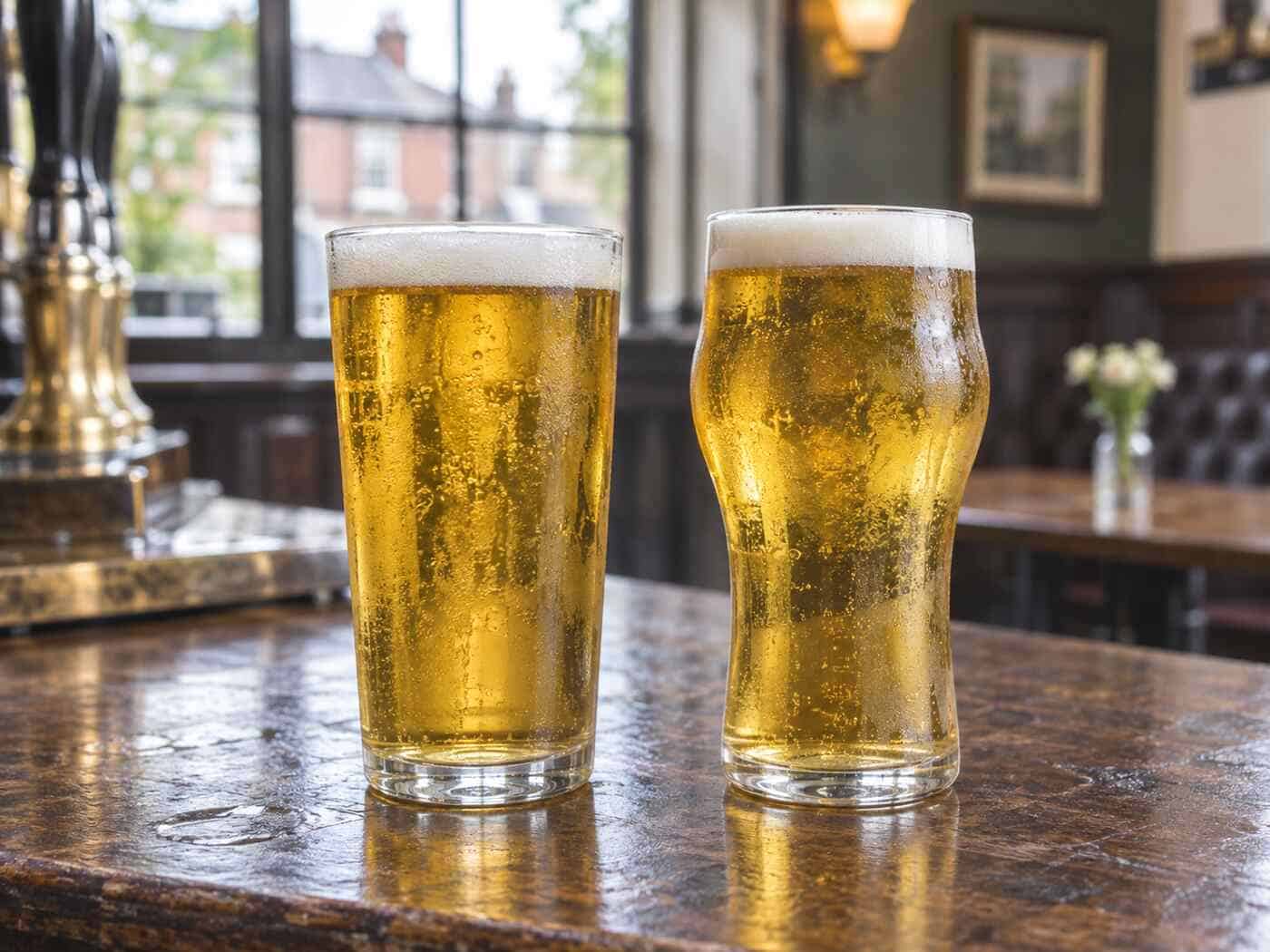
The most quoted single result came from Bristol in 2009. Angela Attwood and colleagues found that social drinkers were 60% slower to finish a drink from a straight glass than from a curved one. It was a Small Grant project, yet it drew wide media interest, and the Behavioural Insights Team at the Department of Health took the idea further.
From 2012 Professor Mark Bellis’s team at Liverpool John Moores University surveyed more than 7,000 people in England on the “alcohol harm paradox”: why poorer communities suffer more alcohol harm despite drinking similar amounts. Asking about special occasions uncovered around an extra bottle of wine per person compared with standard surveys.
Families, children and schools
In 2004 AERC-funded projects piloted and evaluated the American Strengthening Families Programme. Lindsey Coombes describes it as the first UK evaluation of the 10–14 version, and says that without it commissioners would probably not have chosen the programme. A 2014 study by Professor Liz Gilchrist and colleagues found that police records linked two-thirds of domestic incidents to at least one partner drinking.
Not every result was positive, and the report says so. A 2013 randomised trial of In:tuition, a Drinkaware schools programme for 10 to 13-year-olds, found no evidence of impact compared with existing lessons, and Drinkaware stopped rolling it out. Alcohol Research UK oversaw that trial as a “firewall” between the evaluators and the programme’s developer.
How to read AERC research impact claims
The Alcohol Research UK impact study was commissioned by the funder, so it describes successes in the funder’s terms, though it was carried out by an independent team and includes a null result. Treat it as a guide to which studies mattered, then read the original papers. Where a case study cites a Lancet paper, a White Paper or a NICE recommendation, those documents are the stronger evidence. To trace an original report, use How to find and cite an old AERC report.
Key takeaways
- A 2016 independent impact study found that the AERC and its successor awarded more than £24 million (inflation-adjusted) to nearly 900 projects between 1982 and 2014.
- The clearest AERC research impact came from studies of brief advice in GP surgeries, emergency departments and pharmacies.
- AERC-funded work also evaluated family programmes and trained the professionals who deliver help.
- Evidence on alcohol marketing and licensing reached Parliament, NICE and the WHO.
Common questions
What was the AERC’s most influential research?
On the impact study’s evidence, the brief intervention trials: the 1984 GP study, the 1996 A&E study and the 2001 alcohol health worker trial, which fed into the SIPS programme, Have a Word and national guidance.
Who carried out the impact study?
An independent team led by Professor Richard Velleman, Emeritus Professor at the University of Bath, with Lorna Templeton, Dr Anthony Hewitt and Gill Velleman. The report was published by Alcohol Research UK in March 2016.
Did the AERC fund the glass-shape study?
Yes. The impact study records a 2009 Small Grant to Angela Attwood and colleagues at the University of Bristol, which found people drank 60% more slowly from a straight glass than a curved one.
Did any funded programme fail?
Yes. The 2013 trial of the In:tuition schools programme found no evidence of impact, and dissemination was stopped. Publishing null results is part of what made the funder credible.
Where does this research continue today?
With Alcohol Change UK, formed when Alcohol Research UK merged with Alcohol Concern in 2017. See Where the AERC’s work lives now.
How we put this together: the figures and study outcomes come from the 2016 independent impact study commissioned by Alcohol Research UK. Every source is listed below.